-
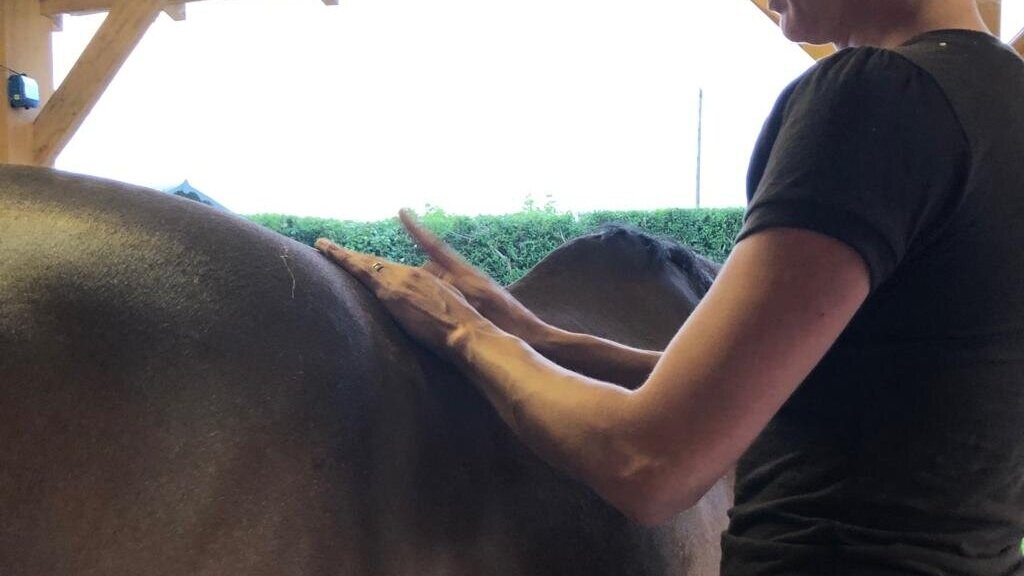
Performative Horse Ownership – what is it?
This isn’t a real term. It’s the best phrase I can come up with to describe something I see too much of: horse owners who loudly and dramatically express extreme love for their horse but don’t back it up with the time, effort, and care their horse actually needs. It bothers me to no end.…
-

Recommended Reading and Resources
I’m often asked what are some of my favorite horsemanship-related books and podcasts. Here is the list. Most of the books pertain to philosophy and stories that illustrate those philosophies, rather than mechanical examples of how to train a horse. The fact that my favorite horsemen don’t have step-by-step programs either online or in book…
-
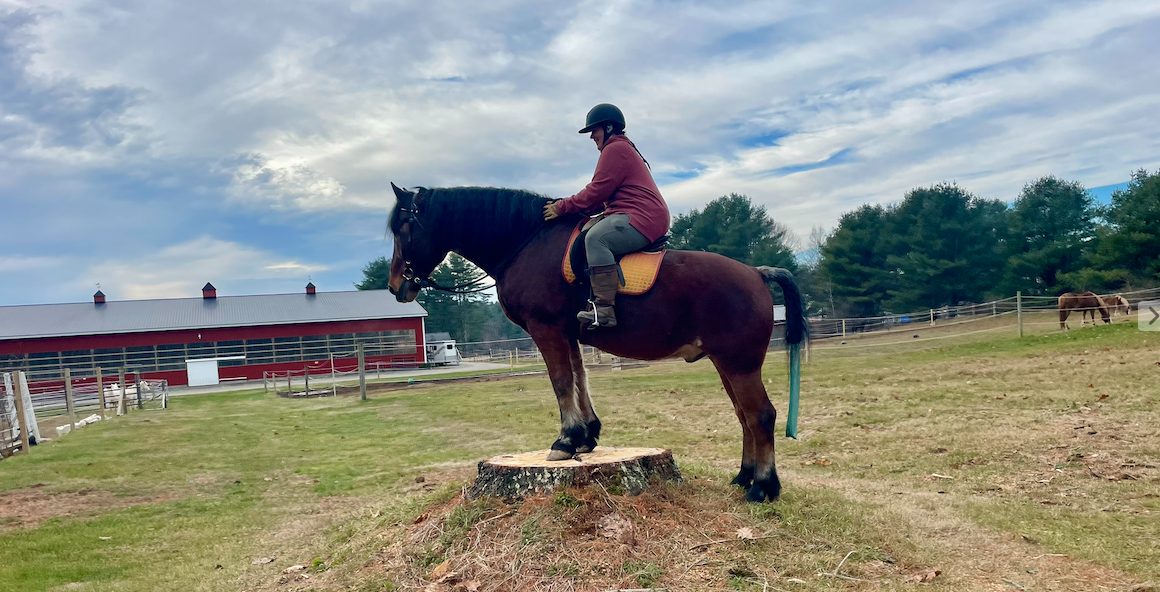
What does a horse’s consent look like?
There’s some interesting terminology defining horse-world philosophies these days. One of the more interesting terms I see being used is this idea of “consent-based training”. What is consent to a horse? My understanding from watching a variety of videos and reading a few explanations is that all interactions with the horse rely on getting the…
-

Our word choice reflects where we are in our horsemanship journey.
“She’s a sassy red mare!” “He is stubborn and refuses to go down the trail.” “She is buddy-sour and won’t stop hollering.” “He needs to learn patience so he can stand quietly on the cross ties.” “He pushes into my space because he doesn’t respect people.” Phrases like these tell me a lot about how…
-

Some notes and thoughts on bridleless riding.
I’ve seen GREAT horsemen who use fairly traditional tack. And bothersome horsemen who are quite irritating to their horses whilst doing all their work at liberty. Knowing how to read horses is the important piece of this puzzle. Clarity is the most important piece of this puzzle. Bridleless isn’t guaranteed to create good feelings if…
-

Don’t let your horsemanship become TOO precious.
I have met a number of people who I wish would take their horse’s emotional state a LOT more seriously. I wish they would step up and stop doing certain things that are bringing them fulfillment but negatively impacting their horse. Or start doing things that involve change and hard work, and would greatly benefit…
-
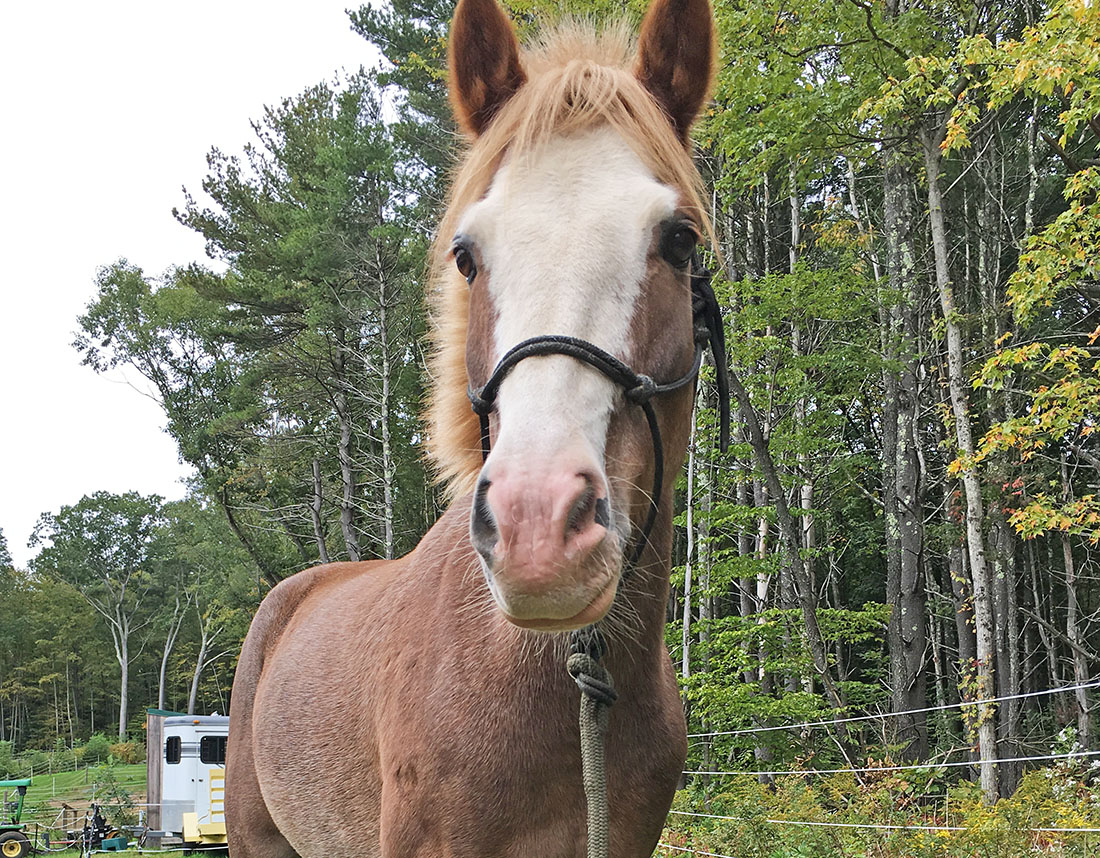
What makes a good rope halter and lead?
Below are the qualities that matter most, plus how to tie a halter, attach a lead rope, and where to buy reliable gear. Rope Halters A rope halter’s clarity of feel and overall severity come from a few key features. Rope Stiffness and MaterialA good rope halter should be made from quality rope—such as accessory…
-
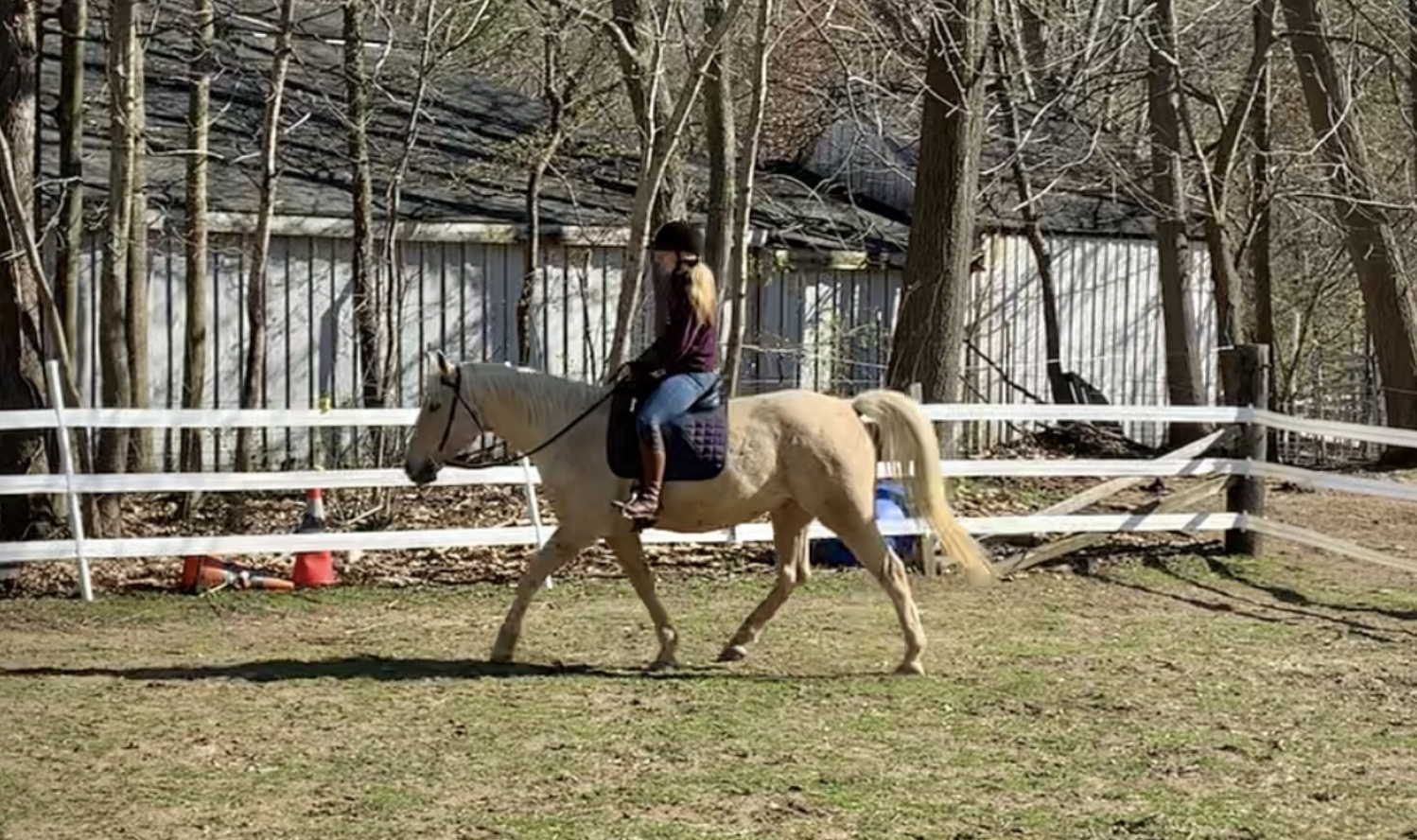
I’m impressed with the way someone’s horse feels, not what it can do.
I think that for most of us, when we first start out with horses, we don’t realize how crappy most horses feel in their interactions with people. We assume that because people love horses, most horses must be fairly content and find enjoyment in their jobs. And so, we are impressed with the height a…
-

Give your horse affection that makes THEM feel good.
Horses show affection quietly. Most of what people call “affection” toward their horses—verbal praise, loud pats, handfuls of treats—mostly makes us feel good, not the horse. Good pony!!!! We like being told “good job” because we speak English. Horses don’t. They aren’t verbal creatures, and aside from the occasional nicker or snort, they almost never use sound…
-
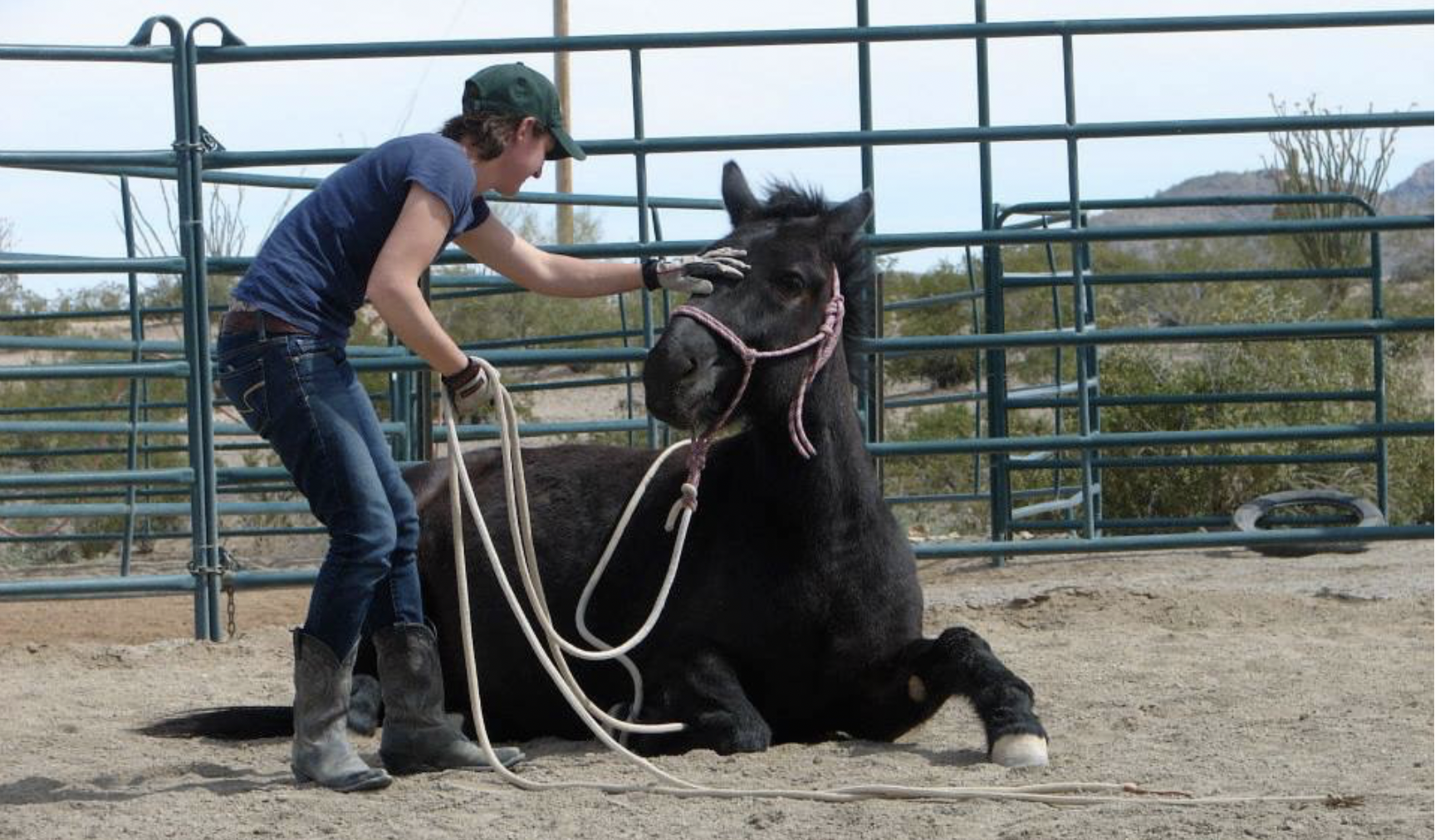
What’s the difference between a feel and a cue?
I get asked this question a lot. It’s a great question that really prompted me to contemplate and differentiate the two in my own mind. If you think about the request to ask a horse to go, from their back, typically a rider will use their leg in some capacity to communicate the request. The…

Horsemanship that feels good to you and your horse.
This content is intended for active students to reinforce the things we discuss in our lessons.